
close
Choose Your Site
Global
Social Media


Views: 0 Author: Site Editor Publish Time: 2025-12-08 Origin: Site


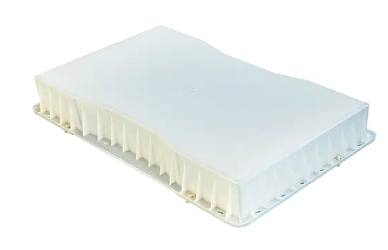
In construction, cover plate molds are integral for creating strong, durable protective covers for infrastructure elements like roads, bridges, and drainage systems. These molds are especially vital in projects such as railway subgrade and concrete paving, where precise design and long-term durability are essential. As the construction industry faces increasing pressure to minimize its environmental footprint, there is a rising demand for eco-friendly solutions. Sustainable construction practices are becoming more central to the development of modern infrastructure, aiming to reduce waste and conserve resources. Eco-friendly cover plate molds, made from recycled or renewable materials, offer a promising solution to meet these sustainability goals. By adopting these molds, construction projects can benefit from reduced environmental impact, improved efficiency, and the creation of more resilient and sustainable infrastructure.
As the construction industry moves towards sustainability, the materials used in cover plate molds are evolving to reduce environmental impact while maintaining the strength and durability required for projects like railway subgrade and concrete paving. Several eco-friendly materials are now being utilized to create greener, high-performance molds.
Recycled concrete, plastics, and metals are increasingly being used to make cover plate molds more environmentally friendly. Recycled concrete helps conserve natural resources and reduce waste, while recycled plastics, often sourced from post-consumer products, help cut down on plastic waste. Recycled metals, such as steel and aluminum, offer strength and durability, all while reducing the carbon footprint of the construction process. These materials help promote sustainability by reducing the need for virgin resources.
Emerging biodegradable materials, such as bio-based plastics and plant fiber composites, are offering an eco-friendly alternative to traditional materials. These options naturally decompose over time, minimizing waste and environmental impact. While still in development, these materials show promise for future use in molds, aligning with sustainability goals and reducing pollution.
Eco-friendly materials used in cover plate molds maintain the strength and durability required for demanding projects. For example, recycled concrete retains much of the strength of virgin concrete, making it suitable for heavy-duty applications. Recycled metals provide excellent load-bearing capacity, ensuring that eco-friendly molds meet the performance standards of traditional molds.
Eco-friendly cover plate molds are essential for creating sustainable railway subgrade systems. These molds help produce protective cover plates that enhance the strength, durability, and environmental responsibility of railway infrastructure, contributing to more sustainable construction practices.
Eco-friendly cover plate molds support sustainable railway subgrade construction by using recycled and sustainable materials, such as concrete, plastics, and metals. This reduces the environmental impact of the project by conserving resources and minimizing waste. These molds help build more eco-conscious infrastructure while maintaining high standards of durability and functionality.
Using eco-friendly materials in cover plate molds reduces the carbon footprint of railway subgrade projects. Recycled materials like concrete and plastic require less energy to produce and help reduce landfill waste. Additionally, these materials provide the long-term durability necessary for railway systems, ensuring they withstand heavy use and harsh weather without frequent repairs.
Eco-friendly cover plate molds also help improve water drainage and moisture control within the subgrade system. These molds can be designed to allow water to flow efficiently, preventing moisture buildup and erosion that could damage the railway foundation. By incorporating sustainable materials, these molds ensure that water management is effectively integrated without harming the environment.
Eco-friendly cover plate molds are increasingly being used in concrete paving for highways, walkways, and other infrastructure projects. These molds help create durable, high-quality paving elements while supporting sustainable construction practices and reducing environmental impact.
Eco-friendly cover plate molds are widely used in the construction of highways, walkways, and various other infrastructure projects. These molds are designed to produce durable concrete paving elements that withstand heavy traffic and environmental stress. By using eco-friendly materials like recycled concrete, plastics, and sustainable composites, the molds reduce the environmental footprint of construction projects while maintaining high performance. The use of these molds contributes to creating more sustainable and long-lasting infrastructure.
Using eco-friendly materials in the production of cover plate molds helps achieve significant energy savings and reduced emissions. Recycled concrete and plastics require less energy to process compared to virgin materials, resulting in a lower carbon footprint for the production of paving elements. Additionally, the reduced need for raw materials and energy in manufacturing molds directly contributes to more efficient construction processes and a greener construction industry. This shift toward eco-friendly practices helps reduce the overall environmental impact of paving projects.
Eco-friendly cover plate molds contribute to the durability and long-term performance of concrete pavements. The use of sustainable materials, such as recycled concrete and durable composites, helps create paving elements that are resistant to wear, cracking, and other forms of damage. These materials not only enhance the strength of the pavement but also reduce the need for frequent repairs and maintenance, ultimately lowering lifecycle costs. By using eco-friendly molds, roads and walkways can maintain their integrity for longer periods, reducing the environmental impact of repairs and replacements.
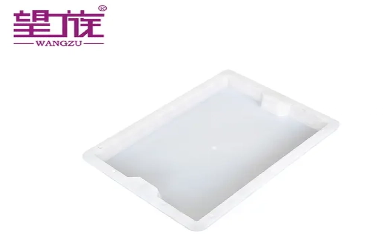
Eco-friendly cover plate molds are changing the construction industry by offering sustainable solutions that reduce environmental impact. Made from recycled and sustainable materials, these molds bring significant environmental benefits, including reduced carbon emissions, resource conservation, and waste reduction.
Eco-friendly cover plate molds help reduce carbon emissions by using materials that require less energy to produce, such as recycled concrete, plastics, and metals. Traditional molds made from virgin materials have a higher energy demand, leading to greater carbon footprints. By switching to eco-friendly molds, construction projects lower their overall environmental impact.
These molds support resource conservation by using sustainable materials, which reduces the need for virgin resources like sand, aggregates, and plastic. By recycling existing materials, the construction industry minimizes the extraction of new resources, supporting a more sustainable, circular economy.
Eco-friendly molds made from recycled materials help reduce landfill waste. By repurposing materials like concrete, plastics, and metals, a significant amount of construction waste is diverted from landfills. This not only reduces waste but also promotes the reuse of materials in new projects, contributing to a more sustainable waste management system.
The adoption of eco-friendly cover plate molds in large-scale construction faces several challenges, but innovation and stricter environmental regulations offer a promising future for more sustainable solutions.
One of the main obstacles to widespread adoption is the cost of eco-friendly molds, which can be higher than traditional molds. Lack of standardization in eco-friendly materials can create uncertainty regarding their performance, while some construction projects require specific material properties that eco-friendly alternatives may not yet meet, limiting their use in certain high-demand applications.
Ongoing innovation and research are addressing these challenges by developing new recycled materials, biodegradable plastics, and advanced composites. Research is improving the strength and durability of these materials, making them more affordable and reliable for construction projects. As these technologies evolve, eco-friendly molds will become more efficient and accessible.
The future of eco-friendly cover plate molds is bright, particularly as environmental regulations become stricter. As sustainability becomes a higher priority and regulations on carbon emissions, waste, and resource conservation tighten, the demand for eco-friendly solutions will increase, driving wider adoption of these molds in construction projects.
A1: Eco-friendly cover plate molds are made from recycled or sustainable materials, which reduce the environmental impact compared to traditional molds made from virgin concrete, plastic, or metal. These molds still maintain the necessary strength and durability for construction but are more environmentally responsible.
A2: While eco-friendly molds may have a higher initial cost due to the sourcing of sustainable materials, they can lead to long-term cost savings by reducing maintenance needs, improving the durability of the infrastructure, and meeting increasingly stringent environmental regulations.
Q3: Can eco-friendly cover plate molds be used in all types of construction projects?
A3: Yes, eco-friendly cover plate molds can be adapted for use in various types of construction, including railway subgrade and concrete paving. They are suitable for both large and small-scale projects and can be customized to meet specific project needs while providing environmental benefits.
A4: Yes, eco-friendly cover plate molds are designed to meet the same durability and performance standards as traditional molds. Advanced materials like recycled concrete and high-strength composites ensure that these molds offer long-lasting durability and strength while still being environmentally friendly.
In summary, eco-friendly cover plate molds offer numerous benefits for both railway subgrade and concrete paving projects. By using recycled and sustainable materials, these molds help reduce carbon emissions, conserve resources, and minimize waste, making them a crucial component in promoting sustainable infrastructure. Their adoption supports environmentally responsible construction practices, ensuring that projects are not only durable and cost-effective but also contribute to a greener, more sustainable future. As the demand for sustainable solutions grows, the importance of innovation in mold design and materials will continue to play a key role in shaping the future of infrastructure development, helping to create more eco-friendly, long-lasting structures that benefit both people and the planet.

