
close
Choose Your Site
Global
Social Media


Views: 0 Author: Site Editor Publish Time: 2025-12-12 Origin: Site


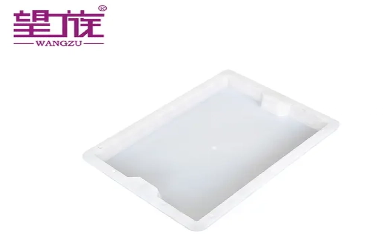
Cover plate molds are specialized tools used in the production of plastic floor tiles, allowing manufacturers to create precise, high-quality tiles for various applications. These molds play a crucial role in shaping and molding the plastic material into the desired tile design, ensuring consistency and uniformity in each piece. Achieving perfect floor tiles is vital for both residential and commercial spaces, as the durability, appearance, and functionality of the tiles directly impact the overall quality of the flooring. The process of using cover plate molds to produce plastic floor tiles involves several steps: preparing the mold, selecting and mixing the appropriate plastic material, pouring or injecting it into the mold, cooling, demolding, and finishing the tiles. By following these steps carefully, manufacturers can produce tiles that are not only visually appealing but also durable and reliable for long-term use.
Cover plate molds are essential tools used in the manufacturing of plastic floor tiles, allowing for the creation of precise, consistent, and durable products. These molds are designed to shape plastic materials into the desired tile sizes, designs, and finishes, ensuring that each tile meets the required standards for both aesthetic appeal and functionality.
Cover plate molds work by forming liquid or semi-solid plastic into a set shape. The mold is filled with the plastic material, which is then hardened or cooled to produce the tile. This process can involve injection molding or compression molding, depending on the material used and the type of mold. The molds are designed to replicate the exact dimensions, pattern, and texture required for the floor tiles, ensuring consistency in production.
There are various types of cover plate molds tailored to different tile needs:
Standard Molds: Used to create tiles of uniform size and shape, ideal for large-scale production with consistent designs.
Custom Molds: Designed for unique tile shapes, sizes, or patterns, often used for specialized commercial or residential applications.
Textured Molds: These molds can add intricate surface textures, such as non-slip surfaces or decorative patterns, enhancing the visual appeal and functionality of the tiles.
Large-Format Molds: Used for creating larger floor tiles or tiles with more complex designs, these molds are typically used in high-end residential or large commercial projects.
Consistency: Cover plate molds ensure uniformity in size, shape, and finish for every tile produced, resulting in consistent quality across large production runs.
Cost-Efficiency: Once the molds are created, they allow for high-volume production of plastic tiles with minimal manual labor, reducing manufacturing costs over time.
Precision: The molds provide high precision, ensuring each tile fits perfectly and meets required standards. This precision is especially important in large installations where uniformity is key.
Selecting the right plastic material for floor tiles is crucial for ensuring durability, performance, and overall quality. Different plastic materials offer various characteristics that affect strength, flexibility, surface texture, and suitability for specific applications.
Common plastic materials used for floor tiles include:
PVC (Polyvinyl Chloride): PVC is durable, affordable, and easy to maintain, making it ideal for high-traffic areas like commercial spaces and kitchens. It is resistant to moisture, stains, and scratches.
Polypropylene: Known for flexibility and chemical resistance, polypropylene is ideal for industrial settings. It is lightweight, making installation easier and providing long-term durability.
Polyethylene: Offering high impact resistance, polyethylene is suited for outdoor or high-impact areas due to its resilience and weather resistance.
Material properties impact tile performance in various ways:
Strength: Strong materials like PVC and polypropylene are resistant to cracking, making them ideal for heavy foot traffic areas.
Flexibility: Flexible tiles absorb impacts better, reducing cracking risks, especially in areas prone to vibration or movement.
Surface Texture: Plastic materials can be molded to create non-slip surfaces, ensuring safety, particularly in wet or high-traffic environments.
Sustainability is increasingly important in tile production. Using eco-friendly plastics like recycled materials and biodegradable options helps reduce waste and resource consumption. Additionally, selecting durable plastics ensures longer-lasting tiles, reducing the need for replacements and promoting sustainability in the long run.
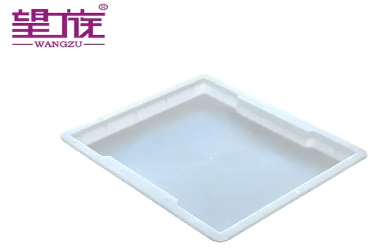
Achieving perfect plastic floor tiles requires careful attention to each step of the production process. From mold preparation to finishing, each stage plays a critical role in ensuring high-quality results.
Before starting the molding process, ensure the mold is clean and free from any debris or imperfections. This is crucial as any foreign particles or damage to the mold can result in defects on the surface of the tiles. Cleaning the mold thoroughly and inspecting it for cracks or imperfections ensures that the tiles will have a smooth and consistent finish.
Proper mixing of plastic materials, additives, and colors is essential for achieving the desired finish and strength of the tiles. The plastic material, such as PVC or polypropylene, should be mixed with appropriate additives to enhance durability and flexibility. Additionally, if the tiles require a specific color or texture, pigments or dyes should be added at this stage to ensure uniform coloration throughout the tile batch.
In this step, the mixed plastic material is carefully poured or injected into the mold. It is crucial to ensure the material is distributed evenly across the mold to prevent inconsistencies in thickness or appearance. This process may vary depending on whether the tiles are being produced via injection molding or compression molding, but consistency in the molding process is key to achieving high-quality tiles.
Once the plastic is in the mold, it must be allowed to cool properly to avoid warping or deformation. Cooling time varies depending on the type of plastic and mold size. Premature removal of the tile can result in bending or cracking. The tile should be fully set before carefully demolding, ensuring it retains its shape and strength.
After removal from the mold, the tiles are inspected for any imperfections such as rough edges, surface flaws, or dimensional inaccuracies. Finishing touches, like smoothing the edges or applying a protective coating, are applied to ensure the tiles meet the desired quality standards. Quality control checks include verifying the tile's dimensions, surface finish, and overall strength to ensure it is fit for use in the intended application.
Cover plate molds offer several key advantages in producing plastic floor tiles, ensuring high quality, durability, and cost-effectiveness. Here are the main benefits:
Cover plate molds ensure uniformity in tile size, shape, and surface finish. Once created, the mold guarantees that every tile is identical, eliminating inconsistencies common in manual production. This uniformity is essential for large projects, ensuring tiles fit perfectly and maintain a consistent appearance.
Using molds for mass production of tiles reduces production costs. The process requires less labor and time, making it affordable for both small and large-scale projects. With minimal material waste and fewer production errors, cover plate molds optimize manufacturing efficiency and lower costs per tile.
Cover plate molds offer design flexibility, allowing for the creation of intricate patterns, textures, and custom finishes. Whether it’s non-slip surfaces, decorative designs, or custom colors, molds can be tailored to meet specific project needs, offering solutions for a wide range of flooring applications.
A1: PVC and polypropylene are the most commonly used plastics for floor tiles due to their durability, flexibility, and resistance to wear and tear. Both materials are suitable for creating tiles that can withstand heavy foot traffic and environmental factors.
Q2: How can I prevent imperfections on plastic floor tiles when using cover plate molds?
A2: To prevent imperfections, ensure that the mold is clean and free from debris before use. Additionally, ensure that the plastic material is mixed properly and injected or poured evenly into the mold. Cooling the tiles evenly and inspecting them for surface defects can also help achieve a flawless finish.
A3: Yes, cover plate molds are versatile and can be customized to create various shapes, sizes, and surface textures. This makes them ideal for producing unique designs and patterns on plastic floor tiles, catering to specific aesthetic and functional requirements.
Q4: How long does it take to produce a perfect plastic floor tile using cover plate molds?
A4: The production time can vary depending on the size of the tile and the complexity of the design. Generally, the molding process can take anywhere from a few minutes to several hours, including cooling and curing time. The entire process, from mixing the material to finishing the tiles, typically takes a few hours for a batch of tiles.
The use of cover plate molds is essential in achieving perfect plastic floor tiles, ensuring uniformity, precision, and long-lasting durability. By combining the right materials and molding techniques, manufacturers can produce high-quality tiles suited for a wide range of residential and commercial applications. These molds enable cost-effective, large-scale production while maintaining design flexibility. Looking ahead, the future of cover plate molds in tile manufacturing is poised for growth, driven by the demand for sustainable and efficient production methods. Ongoing innovations in mold design and material technology will enhance the environmental impact and performance of tile production, solidifying the role of cover plate molds in shaping the future of flooring solutions.

