
close
Choose Your Site
Global
Social Media


Views: 0 Author: Site Editor Publish Time: 2026-10-31 Origin: Site


Aging bridges and viaducts face a global structural crisis today. Across continents, critical transportation arteries built decades ago are deteriorating rapidly. They demand urgent concrete rehabilitation to prevent catastrophic failures. Traditional steel and timber repairs are heavy and rot quickly. They create logistical nightmares when transporting materials to hard-to-reach viaducts. Fortunately, modern polymer engineering offers a highly efficient alternative. In this comprehensive guide, you will discover the operational benefits, real-world applications, cost comparisons, and step-by-step deployment strategies for infrastructure rehabilitation projects.
High Reusability and ROI: Reusable plastic panels yield 50 to 100 uses, drastically lowering the cost per application compared to traditional timber.
Lightweight and Ergonomic: The panels weigh merely 15 to 20 kilograms per square meter. Workers can handle them manually, significantly reducing the need for heavy lifting equipment on restricted bridge repair sites.
Waterproof and Weather Resistant: The material will not warp, rot, or rust. It remains structurally stable for over-water bridge repairs and damp viaduct environments.
Versatile Applications: The modular design adapts easily to various structural components. You can utilize specific pier and beam configurations for complex geometries.
Eco-Friendly: This system offers a sustainable solution for modern construction. It reduces deforestation, minimizes construction waste, and promotes recyclable materials.
Global infrastructure reports highlight a massive backlog in bridge maintenance. Municipalities face shrinking budgets alongside stricter environmental mandates. As a result, the civil engineering sector is actively shifting toward modular polymer composites. Single-use timber is rapidly being phased out. Contractors now prioritize zero-waste, high-turnover materials to accelerate project timelines while meeting stringent green building standards. The focus has moved from temporary fixes to lifecycle-driven asset management, making durable polymer formwork a strategic necessity rather than a mere alternative.
A significant percentage of bridges and viaducts constructed in the mid-to-late 20th century are currently reaching the end of their original design life. Engineering assessments frequently reveal severe concrete degradation driven by relentless environmental exposure. Common deterioration factors include concrete spalling, chloride-induced rebar corrosion from de-icing salts, and freeze-thaw cycles that expand micro-cracks. Continuous water ingress further weakens these critical structures. Rehabilitation becomes an urgent priority to maintain public safety. Repairing these arteries requires specialized equipment capable of operating efficiently in highly constrained and often hazardous environments.
When contractors undertake live or partially closed bridge repairs, traditional formwork materials present severe logistical limitations. Plywood absorbs moisture from the surrounding environment and the wet concrete. This absorption leads to swelling, warping, and premature rotting. This inherent flaw limits its reuse rate to merely a handful of pours. By contrast, steel formwork is exceptionally durable but prohibitively heavy. Maneuvering steel panels requires heavy cranes. Deploying cranes is frequently impossible on structurally compromised viaducts, narrow bridge decks, or over active waterways. These operational bottlenecks highlight the absolute necessity for a specialized concrete bridge formwork that is lightweight, durable, and adaptable to existing infrastructure profiles.
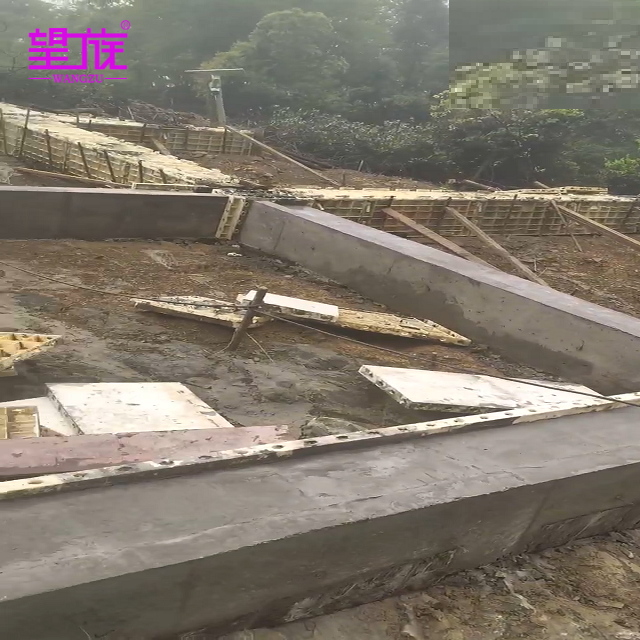
Unlike plywood that delaminates or steel that corrodes, high-density plastic formwork withstands the harsh conditions of bridge repair sites. The material actively resists impact damage from dropped tools and sharp rebar. Because of this inherent resilience, contractors typically achieve between 50 and 100 reuses per panel. This longevity yields a highly favorable return on investment over the lifespan of a multi-phase rehabilitation project.
Imagine a crew tasked with repairing a spalled pier situated in the middle of an active river. Maneuvering heavy steel panels in such a restricted aquatic environment is dangerous. It is often logistically impossible without a barge-mounted crane. Plastic panels entirely bypass the need for heavy lifting machinery. A single worker can easily carry and position these modules by hand. This ergonomic advantage is crucial for sites where crane access is restricted due to traffic maintenance or structural load limits.
The ultra-smooth surface of plastic panels translates directly to the cured concrete. When the formwork is removed, it leaves a sleek, fair-faced concrete surface that meets strict architectural grade standards. Consequently, work crews can eliminate the need for costly and time-consuming secondary plastering, grinding, or cosmetic finishing on the newly repaired bridge sections.
To fully grasp the operational upgrade, site engineers must look at the hard data. The table below outlines the stark contrasts between common formwork materials utilized in viaduct rehabilitation.
Performance Metric | Modular Plastic Formwork | Traditional Plywood | Steel Formwork |
|---|---|---|---|
Weight per Square Meter | 15 to 20 kilograms | 25 to 35 kilograms | 45 to 60 kilograms |
Average Reusability | 50 to 100 times | 3 to 5 times | Over 200 times |
Crane Requirement | None required | Minimal | Mandatory |
Water Resistance | 100% Waterproof | Absorbs moisture and warps | Prone to surface rust |
Release Agent Needed | No | Yes | Yes |
Bridge piers and columns serve as the primary load-bearing vertical elements of any viaduct infrastructure. Over decades, these structures suffer from scour caused by water flow, impact damage from debris, and severe chloride penetration at the splash zone. Repairing these vertical elements is highly complex because the existing structures must often remain partially loaded during the repair process. Furthermore, existing piers come in varying shapes including circular, square, or irregular profiles. The formwork must securely wrap around the damaged sections to facilitate concrete jacketing without leaking mortar.
To execute these vertical repairs efficiently, contractors utilize adjustable plastic panels configured to match the exact dimensions of the existing structure. The modular nature of the panels allows them to be stacked and locked tightly around the pier. This creates a watertight seal that prevents grout loss during the pour. For projects requiring precise vertical structural repairs, deploying specialized bridge pier formwork ensures that the new concrete jacket cures with optimal density and structural integrity. Standard units feature quick-lock handles and adjustable tie-rod holes, extending the load-bearing life of the column while minimizing setup time.
Bridge beams and girders are critical horizontal components responsible for distributing the dynamic loads of vehicular traffic across the piers. When these horizontal spans degrade, they often exhibit cracking, sagging, and concrete spalling on the undersides. This exposes the tensile reinforcement bars to the atmosphere. Rehabilitating these elements is highly sensitive. The repair material must bond perfectly with the existing substrate. The formwork must support the heavy weight of the wet repair mortar against gravity until it fully cures.
Standardizing the repair of these horizontal spans requires formwork that is both exceptionally rigid and adaptable. Lightweight plastic panels can be easily suspended from the existing bridge deck or supported from below using standard scaffolding and shoring props. The panels are configured to box in the damaged beam sides and undersides securely. By deploying high-strength bridge beam formwork, work crews can safely pump high-performance repair concrete into the cavity. Some advanced modular systems feature a water-retaining lip specifically designed to handle high-slump concrete. The rigidity of the plastic ensures that the beam maintains its precise geometric tolerances, preventing any bulging or deformation during the critical curing phase.
Choosing the correct formwork system directly impacts your project timeline and budget. Evaluate your site constraints using these specific engineering criteria.
Deep pours for large pier jackets generate immense outward pressure. Verify that the plastic formwork system is rated for at least 60 kilonewtons per square meter. Look for panels engineered with a dense internal matrix of reinforcing ribs. This architecture prevents panel deflection when pouring self-compacting concrete.
Infrastructure repairs rarely follow perfect geometric lines. Your selected system must feature universal standard panels, adjustable tie-rods, and versatile corner pieces. Ensure the locking handles require only a simple 90-degree turn to secure. This specific mechanism eliminates the need for specialized carpentry skills on site and speeds up assembly.
Before any formwork is installed, the compromised concrete must be entirely removed. Engineers typically employ hydro-demolition or pneumatic chipping to clear away spalled, cracked, or carbonated concrete. Hydro-demolition is highly recommended for aging bridges because it removes deteriorated material without introducing micro-fractures to the sound concrete beneath. The ultimate goal is to expose a solid, rough substrate that will ensure a high-strength mechanical bond with the new repair mortar. All dust, debris, and laitance must be washed away using high-pressure water jets prior to the next phase.
Once the damaged concrete is removed, the underlying steel reinforcement is usually exposed. Construction crews must sandblast or mechanically wire-brush the exposed rebar to remove all surface rust. If the cross-sectional area of the steel has degraded beyond acceptable engineering tolerances, new reinforcement bars must be spliced or doweled into place. Finally, the cleaned steel is coated with an anti-corrosion epoxy or zinc-rich primer to halt future oxidation.
With the substrate prepared, workers carry the lightweight plastic panels by hand to the repair zone. Crews align the panels to wrap around the existing columns or box in the damaged beams. The modular units are connected using standardized locking handles. Proper securing and bracing are non-negotiable. Contractors must install steel tie-rods through the pre-drilled holes in the plastic panels to hold the opposing faces together. Horizontal and vertical walers are placed against the exterior of the plastic panels to distribute the pouring pressure evenly. Adjustable push-pull props are then anchored to the scaffolding to maintain exact plumb and alignment.
Once the formwork is fully braced and inspected, the concrete pour commences. Engineers frequently specify self-compacting concrete or high-strength, non-shrink repair mortars. Because the plastic panels are entirely waterproof, they prevent the premature loss of moisture from the concrete mix. This facilitates an optimal hydration process and leads to a stronger, crack-free cure. After the concrete achieves its required stripping strength, crews carefully dismantle the setup. Because concrete does not bond to the smooth surface of high-density plastic, the panels pull away cleanly without the prior application of chemical release agents. Post-use maintenance simply involves washing the plastic surface with a standard water hose.
Procurement officers evaluating formwork options must look beyond the initial purchase price. Premium plastic formwork generally requires a higher initial capital outlay compared to standard phenolic-faced plywood. However, the financial dynamic shifts rapidly after deployment. Plywood degrades after 3 to 5 uses in the harsh, wet environments of bridge repair. Engineered plastic formwork yields up to 100 uses. By the tenth pouring cycle, the plastic system reaches its break-even point. From that cycle onward, the cost per use drops exponentially.
The indirect financial benefits often exceed direct material savings. Heavy steel formwork mandates the rental of mobile cranes, incurring high daily rates and complex site access permits. The lightweight nature of plastic formwork entirely eliminates these crane dependencies for panel placement. Furthermore, because plastic formwork requires zero chemical release agents, contractors eliminate the recurring expense of purchasing form oil and the associated environmental compliance costs.
Repairing aging bridges and viaducts requires modern, effective, and adaptable solutions. Reusable plastic formwork provides the perfect blend of structural strength, lightweight handling, and environmental sustainability. It overcomes the severe logistical limitations of traditional timber and steel, particularly in hard-to-reach or aquatic construction sites. Adopting this innovative system is a strategic financial decision that significantly reduces long-term costs for construction firms. Upgrade your equipment for your next infrastructure project by exploring modular plastic formwork systems from Wangzu Formworks to ensure safety, speed, and superior concrete finishes.
Yes. Modern high-quality plastic formwork is manufactured from high-density polymers or composites reinforced with glass fibers. These panels are engineered with dense internal ribbing that distributes concrete pressure effectively. Standard premium plastic formwork systems are rated to withstand hydrostatic pouring pressures of up to 60 kilonewtons per square meter. When properly braced with steel walers and tie-rods, it easily handles deep and heavy concrete pours safely.
Empirical data from field applications shows that premium plastic formwork can be reused anywhere from 50 to over 100 times. The exact lifespan depends heavily on site practices, such as how carefully the panels are stripped, handled, and stored. Unlike plywood, which delaminates and rots after a few exposures to water, plastic is chemically inert and dimensionally stable. This makes it highly economical for repetitive bridge column repairs.
No. One of the most significant operational advantages of plastic formwork is its low surface tension. Concrete simply does not adhere to the smooth plastic surface. This allows for easy and clean stripping without the application of chemical release agents. Eliminating form oil saves money on consumables and prevents hazardous chemical runoff into sensitive ecological waterways.
Absolutely. The modular panels are designed to integrate seamlessly with standard steel scaffolding, shoring props, and traditional timber walers. The panels feature standard fixing points that allow site engineers to support and brace the plastic formwork using the exact same methods and equipment utilized for conventional plywood or steel systems.
Top-tier plastic formwork systems are UV-stabilized and formulated to resist extreme temperature fluctuations. They typically maintain their structural integrity and impact resistance in working temperatures ranging from minus 20 degrees Celsius to plus 70 degrees Celsius. This ensures they do not warp, crack, or become brittle in the harsh weather conditions typical of exposed viaducts.


