
close
Choose Your Site
Global
Social Media


Views: 0 Author: Site Editor Publish Time: 2025-12-05 Origin: Site


Stepping stone moldsare versatile tools used to create decorative and functional pathways in gardens, yards, and outdoor spaces. These molds allow homeowners, landscapers, and DIY enthusiasts to easily shape and form stepping stones that can serve both as a practical means of navigating a garden and as an aesthetic feature to enhance the landscape. Using molds for stepping stones is an ideal option because they provide consistent shape, size, and design, making it easier to achieve professional-looking results without the need for advanced skills. Additionally, molds allow for creative customization, enabling the incorporation of different colors, textures, and designs. The importance of creating durable and unique stepping stones cannot be overstated—durability ensures that the stones withstand outdoor elements like rain, sun, and foot traffic, while uniqueness adds a personal touch to your outdoor spaces, making the garden path not only functional but also visually appealing.
Selecting the right stepping stone mold is key to creating a functional and visually appealing pathway. Here’s what to consider:
The design of your stepping stones should complement your garden or pathway style. For a rustic or natural look, choose molds with irregular shapes or textures that resemble stone. For modern gardens, sleek, geometric molds work best. Choose a mold that aligns with your outdoor aesthetic to enhance your space.
The mold material affects ease of use and the quality of the finished product:
Plastic Molds: Lightweight and affordable, ideal for beginners and simple designs.
Silicone Molds: Flexible and durable, allowing for easy stone removal and detailed finishes.
Metal Molds: Strong and long-lasting, great for larger, heavy-duty stones and professional projects.
The size and shape of the mold influence both the function and appearance of your stepping stones:
Size: Larger molds create bold, substantial stones, while smaller molds allow for intricate patterns and more flexible configurations.
Shape: Round and square molds are classic choices, but creative shapes like hexagons or flowers add unique flair. The shape determines whether your stones have a uniform or organic appearance.
Creating durable stepping stones requires attention to detail in both material selection and the production process. Here are some essential tips for ensuring your stepping stones last for years:
The quality of the material you use is crucial to the durability of your stepping stones. Choose high-quality concrete or stone that can withstand the outdoor elements. Opting for a strong, weather-resistant mix ensures your stepping stones won’t crack or degrade easily over time.
To increase the strength and longevity of your stepping stones, consider adding reinforcing materials like fiberglass or rebar. These materials help prevent cracking and enhance the structural integrity of the stones, making them more durable and capable of withstanding heavy foot traffic and extreme weather conditions.
Achieving the right balance of materials is key to producing strong, durable stepping stones. The proper ratio of cement, sand, and water is critical for the mix to set correctly. Too much water can weaken the mix, while too little can result in cracks. Follow the recommended mixing ratios for your specific materials to ensure a solid foundation for your stones.
Allow your stepping stones to cure fully before using them. Curing time is essential for the concrete to harden properly and reach its maximum strength. Typically, concrete needs at least 24 to 48 hours to set, but full curing may take up to 2 weeks. Patience during the curing process helps avoid premature breakage and ensures the stones are as durable as possible.
Creating unique stepping stones allows you to personalize your garden or pathway with creativity and flair. Here are some tips to help you craft truly one-of-a-kind stones:
Add a splash of color to your stepping stones by incorporating colored concrete or dyes. This allows you to create vibrant, customized hues that complement your garden’s design. Experiment with different shades to create stones that stand out or blend in, depending on the look you’re going for. Dyes can also be used to achieve a marble-like effect or to highlight specific features in the stone.
Make your stepping stones even more personal by embedding unique items into the mix. Consider adding shells, glass fragments, or mosaic designs to the surface. These elements not only enhance the visual appeal but also create a one-of-a-kind piece that reflects your personality or garden theme. You can even add stones with meaningful symbols or personal artifacts for a truly custom design.
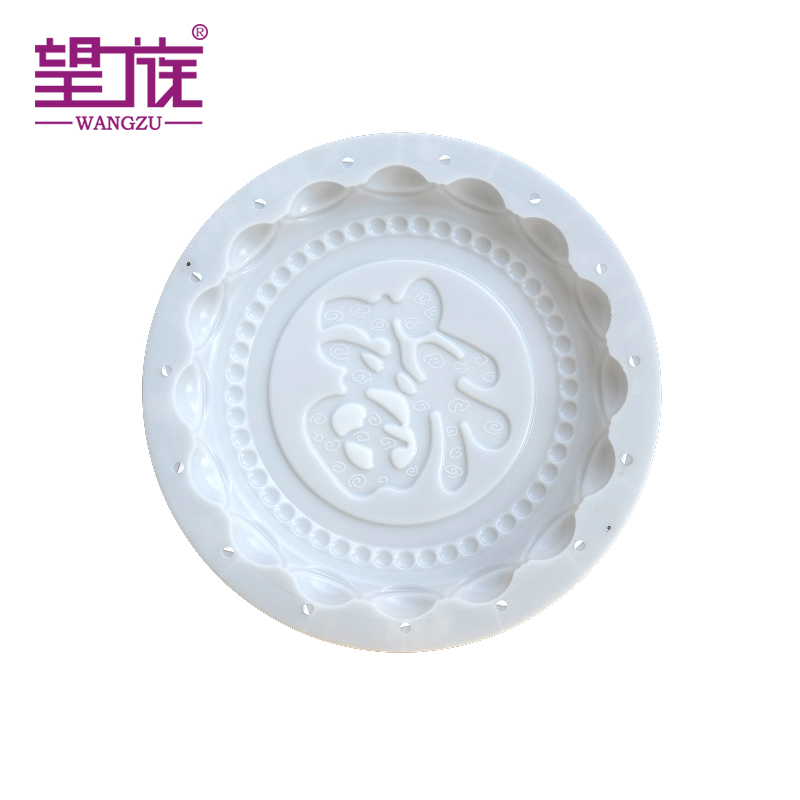
Take your stepping stones to the next level by using stamped molds or custom designs. With stamped molds, you can imprint textures or patterns onto the surface of the stone, giving it a more intricate and detailed appearance. You can also create your own designs using templates or custom molds, allowing you to add logos, symbols, or other personalized touches to your stepping stones.
Step away from traditional circular or square molds and experiment with different shapes and sizes. Create stepping stones in the shape of leaves, flowers, or even abstract patterns. By mixing and matching different shapes and sizes, you can design a pathway that feels more organic and dynamic, adding visual interest and a sense of fun to your garden or yard.
Creating stepping stones that are both visually appealing and durable requires careful consideration of design, materials, and functionality. Here’s how to strike the right balance between durability and aesthetic appeal:
The foundation of a durable stepping stone lies in its flatness and strength. To ensure your stones can withstand heavy foot traffic without cracking or shifting, it’s essential that they are level and stable. Uneven or wobbly stones can be unsafe and lead to wear over time. Make sure your molds are positioned properly, and the concrete mix is strong enough to hold its shape and remain sturdy under pressure.
Since your stepping stones will be exposed to varying weather conditions, it’s crucial to choose materials that are resistant to the elements. Weather-resistant concrete is essential for preventing cracks and fading caused by UV rays, moisture, and extreme temperatures. Stones or concrete that can withstand weather changes will ensure the longevity of your stepping stones, keeping them intact and looking fresh for years.
While it’s tempting to add elaborate decorations to your stepping stones, too much ornamentation can detract from their functionality and durability. Intricate designs or excessive embellishments may weaken the structural integrity of the stone or make them difficult to walk on. Instead, opt for simple, elegant designs that add aesthetic value while maintaining the strength and practicality of the stepping stones.
A: To prevent cracks, ensure the correct concrete mix ratio with the right balance of cement, sand, and water. Adding reinforcing materials like fiberglass or rebar can help increase strength. Allow the stones to cure fully before use to ensure they harden properly, reducing the risk of cracks.
A: Common materials include concrete for durability, stone for a natural look, and mortar for texture. You can also use decorative concrete to customize colors and patterns, adding a personal touch to your stepping stones while maintaining strength.
A: Stepping stones typically require 24 to 48 hours to reach basic hardness, but for optimal durability, allow them to cure for 1 to 2 weeks. This ensures they set properly and are strong enough to withstand foot traffic.
A: Small imperfections can be smoothed out with sandpaper or a trowel. Larger cracks may require remaking the stone to maintain stability. Use high-quality molds and proper concrete mix to prevent issues, and protect stones from extreme weather for longevity.
Creating durable and unique stepping stones is a rewarding way to enhance your garden or pathway. By choosing the right mold, using high-quality materials, and incorporating creative elements, you can craft stones that are both functional and aesthetically pleasing. Remember to prioritize durability by ensuring proper curing time, using weather-resistant materials, and adding reinforcing elements like rebar or fiberglass. At the same time, balance creativity with practicality to avoid over-decoration and ensure your stepping stones remain strong and easy to use. With the right techniques and attention to detail, your stepping stones will not only beautify your outdoor space but also stand the test of time.

