
close
Choose Your Site
Global
Social Media


Views: 0 Author: Site Editor Publish Time: 2025-12-05 Origin: Site


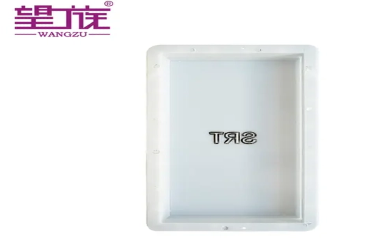
Cover plate molds are specialized tools used in the manufacturing of protective covers for various infrastructure projects, particularly in civil engineering and highway construction. These molds allow for the precise creation of cover plates used in a range of applications, such as roadways, drainage systems, bridges, and underground piping. Their importance lies in their ability to ensure that these covers are durable, precise, and tailored to the specific needs of each project. In civil engineering, cover plate molds help enhance the structural integrity of infrastructure, ensuring that components like roads and drainage systems can withstand heavy use and environmental factors. In highway infrastructure, they contribute to the safety, efficiency, and longevity of road surfaces, bridges, and protective barriers. This article will explore the top applications of cover plate molds in civil engineering and highway infrastructure, highlighting their role in road surface protection, underground piping, drainage systems, and more.
Cover plate molds are essential in civil engineering, providing durability and precision for critical infrastructure components. They are widely used in road and bridge construction, underground piping systems, and drainage systems.
Cover plate molds are used to create protective plates and support structures for roads and bridges. These molds produce high-strength plates that enhance the stability and durability of transportation infrastructure. By distributing weight evenly and protecting components from environmental damage, cover plate molds help ensure that roads and bridges can withstand heavy traffic and harsh conditions.
In underground piping systems, cover plate molds produce precise and stable covers that protect pipes from external forces and debris. These covers ensure the longevity of pipes by safeguarding them from damage and contamination. The molds allow for customized solutions, ensuring that each cover fits the specific needs of the system, whether for water, sewage, or electrical infrastructure.
Cover plate molds are used in the design of drainage system covers, such as for culverts or drainage channels. These molds create durable covers that prevent debris from entering and blocking water flow while protecting the drainage systems from external elements. Customization options allow these molds to meet the unique requirements of each project, ensuring efficient water management and long-term system functionality.
Cover plate molds are widely used in highway infrastructure projects to enhance the durability, safety, and functionality of essential road elements. These molds are used in road surface protection, traffic facility construction, and to improve environmental and safety features, ensuring that highways are safe, efficient, and long-lasting.
Cover plate molds are crucial in creating protective layers for highway surfaces. These molds help produce durable covers that improve the compression strength and abrasion resistance of the road. By adding protective layers to highways, cover plate molds prevent damage from traffic wear, weather conditions, and heavy loads, extending the lifespan of the road surface. This process enhances the overall durability of the infrastructure, reducing the need for frequent repairs and maintenance.
In highway infrastructure, cover plate molds are used to manufacture key traffic-related elements, such as bridge decks, curbs, sound barriers, and other road infrastructure components. These molds enable the precise production of components that are essential for maintaining road safety, controlling traffic flow, and reducing noise pollution. By using cover plate molds, these elements can be produced with consistent quality and tailored to the specific requirements of each project, ensuring effective integration into the highway system.
Cover plate molds play a significant role in enhancing the environmental protection and safety of highway infrastructure. They are used to create covers that provide essential waterproofing, dust resistance, and other environmental protections. These molds help ensure that highways can withstand harsh weather conditions, prevent erosion, and manage drainage more effectively. Additionally, by creating safety features like anti-slip surfaces and sound barriers, cover plate molds contribute to the overall safety and sustainability of highway infrastructure.
The design and manufacturing of cover plate molds are essential for ensuring the durability, precision, and effectiveness of protective plates used in infrastructure projects. Key factors like material selection, customization, and the manufacturing process influence the quality of these molds.
Material choice is crucial as it directly affects the mold's durability and performance. Common materials include:
High-Strength Concrete: Ideal for heavy-duty applications, offering durability and resistance to wear.
Plastic: Lightweight, cost-effective, and suitable for smaller or less demanding applications with intricate designs.
Metal: Strong and resistant to wear, typically used for larger projects requiring high precision and durability.
Each material is selected based on the project’s needs, balancing strength, cost, and environmental resistance.
Customization of cover plate molds is necessary to meet specific project requirements. This includes adjusting:
Size: To match the dimensions needed for roads, bridges, or drainage systems.
Shape: Molds can be designed in various shapes to fit specific infrastructure components.
Functionality: Additional features like drainage channels or textured surfaces can be incorporated.
Custom molds ensure better integration and functionality for each project.
The manufacturing process involves several steps to ensure precision and quality:
Design and Prototyping: The mold is first designed using CAD software, and prototypes may be created for testing.
Material Preparation: The selected material is prepared for molding, such as mixing concrete or heating plastic.
Molding and Casting: The material is shaped into the mold form.
Quality Control: Checks are made for strength, accuracy, and finish quality.
Finishing and Maintenance: Any final adjustments are made, and regular maintenance ensures mold longevity.
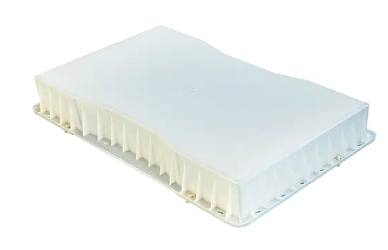
Cover plate molds offer numerous benefits in civil engineering and highway projects, enhancing efficiency, quality, and environmental sustainability. Below are the key advantages of using these molds:
Using cover plate molds significantly speeds up construction timelines. These molds allow for mass production of consistent, standardized components, reducing the need for manual labor and complex on-site fabrication. This not only accelerates the production process but also minimizes construction delays, ensuring that projects are completed on time. Additionally, the precision of molds reduces the need for rework, further improving efficiency and cutting labor costs.
Cover plate molds ensure the consistent production of high-quality components. By using molds, each cover plate is produced to exact specifications, ensuring uniformity in size, shape, and strength. This consistency helps meet engineering standards, resulting in more durable and reliable infrastructure. Molds eliminate human error, providing precise and high-quality components that are crucial for the long-term performance of civil engineering and highway projects.
Cover plate molds contribute to environmental sustainability by reducing waste and improving resource utilization. The use of molds minimizes excess material waste, as molds are designed to efficiently shape the required components with minimal leftover material. Additionally, molds enable the reuse of materials, further reducing the environmental footprint of production. The precision of molds also leads to fewer defective products, reducing the need for disposal and minimizing overall environmental impact.
A: Cover plate molds are primarily used to create durable protective covers for infrastructure such as roads, bridges, and drainage systems. They ensure structural integrity and prolong the lifespan of these essential elements.
A: In highway infrastructure, cover plate molds are used to produce elements like road surface covers, bridge decks, noise barriers, and curbs, enhancing safety, durability, and overall performance. These molds allow for consistent and precise manufacturing of essential highway components.
A: Cover plate molds are commonly made from high-strength materials such as concrete, plastic, and metal. The choice of material depends on the specific needs of the project, such as the desired strength, durability, and resistance to environmental factors.
A: Yes, cover plate molds can be designed and manufactured to meet the unique needs of different projects. Customization allows for adjustments in size, shape, and specific functional features to meet the requirements of various civil engineering and highway infrastructure projects.
Cover plate molds play a critical role in civil engineering and highway infrastructure by ensuring the production of durable, precise, and reliable components for various construction projects. Their importance lies in enhancing construction quality, improving efficiency, and boosting safety on-site. By streamlining production processes, reducing labor costs, and ensuring uniformity in dimensions and strength, cover plate molds contribute significantly to the successful completion of projects. Furthermore, their environmental benefits, such as reduced waste and better resource utilization, make them an essential part of sustainable infrastructure development. Looking ahead, innovations in materials, design flexibility, and automation will likely expand the capabilities of cover plate molds, leading to even more efficient, cost-effective, and environmentally friendly solutions in the construction industry. As technology continues to advance, we can expect cover plate molds to evolve, further enhancing their role in shaping the future of civil engineering and highway infrastructure.

