
close
Choose Your Site
Global
Social Media


Views: 0 Author: Site Editor Publish Time: 2025-12-15 Origin: Site


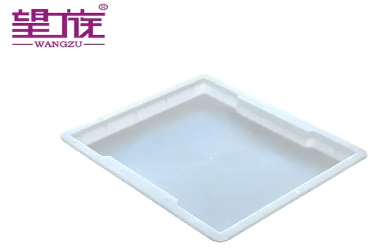
In water conservancy and reservoir projects, cover plate molds are essential tools that enable the efficient production of durable, high-quality components. These molds are used to create critical parts such as covers, drainage elements, and structural supports, all of which are vital for the success of large-scale infrastructure projects. As these projects often involve significant budgets, ensuring cost-efficiency without sacrificing quality is crucial. Cover plate molds play a key role in achieving this balance by streamlining production, reducing material waste, and minimizing labor costs. By facilitating high-volume production of consistent and reliable components, these molds help maintain high standards of quality and performance while offering substantial cost savings throughout the project.
Cover plate molds offer significant advantages in water conservancy projects by improving efficiency, ensuring high-quality results, and ultimately reducing costs. Here are the key benefits of using these molds:
Cover plate molds simplify the production process, significantly reducing the need for manual labor. Instead of relying on skilled labor to shape each component individually, molds allow for the automated creation of consistent pieces, minimizing human error and reducing the time required for assembly. This leads to lower labor costs and a more streamlined production process, making large-scale projects more cost-effective.
One of the major benefits of using cover plate molds is the consistency they offer. Molds ensure that each component produced is uniform in size, shape, and quality, which is crucial for water conservancy projects where precision is vital. By maintaining this uniformity, molds help minimize defects, which in turn reduces the need for costly repairs or replacements. This consistency also improves the overall durability of the infrastructure, as each part is made to the exact specifications required.
Cover plate molds expedite the manufacturing process by allowing for high-volume production with minimal effort. Once the mold is created, it can be used repeatedly to produce large quantities of components quickly. This speeds up production timelines and ensures that projects are completed on schedule. By reducing production time, cover plate molds help lower overall project costs, making the entire construction process more efficient and cost-effective.
Cover plate molds offer several cost-saving advantages in reservoir projects by optimizing material usage, enhancing durability, and enabling scalable production. These molds play a key role in controlling costs while maintaining high-quality standards in large-scale infrastructure projects.
Cover plate molds help optimize material usage, minimizing waste and reducing overall material costs. By precisely shaping each component, molds ensure that only the required amount of material is used for each part, preventing excess material from being wasted. This material efficiency is particularly important in large reservoir projects, where the volume of materials required is substantial. Using molds reduces the need for excess raw materials, helping to lower the overall cost of the project.
Durable cover plate molds contribute to the longevity of the project by ensuring that components are made to withstand the harsh conditions typical of reservoir systems. These molds create strong, long-lasting components that require less frequent maintenance or replacement, leading to significant long-term savings. By producing high-quality parts that are resistant to wear and environmental stress, cover plate molds reduce the likelihood of costly repairs and help extend the lifespan of the reservoir infrastructure.
Cover plate molds enable the efficient mass production of components for large reservoir systems, which results in economies of scale. Once the mold is designed and created, it can be used to produce a high volume of identical components quickly and consistently. This scalability allows projects to meet large demands without sacrificing quality, while also driving down the unit cost of production. By facilitating large-scale production, cover plate molds help keep project timelines on track and within budget.
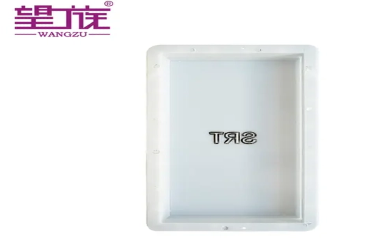
Cover plate molds offer several environmental and sustainability benefits, making them a crucial tool in modern construction practices. By using molds made from recycled materials and adopting eco-friendly manufacturing techniques, these molds not only contribute to cost savings but also promote a greener, more sustainable approach to infrastructure projects.
One of the key environmental benefits of using cover plate molds is waste reduction. Molds made from recycled materials—such as recycled concrete, plastics, and metals—help divert waste from landfills and repurpose it into functional components for construction projects. This significantly reduces the need for new raw materials, which in turn lowers the environmental impact associated with mining and manufacturing. Additionally, the precision of molds minimizes material waste during production, further reducing waste disposal costs and contributing to a more sustainable building process.
Using eco-friendly cover plate molds plays an important role in achieving sustainability goals. By adopting recycled or biodegradable materials, manufacturers can reduce the carbon footprint of production processes. These molds require less energy to produce compared to traditional molds made from virgin materials, leading to lower emissions and a reduction in the overall environmental impact of the construction industry. Eco-friendly cover plate molds also align with green building standards and sustainable construction practices, helping projects meet regulatory requirements and environmental certifications.
Cover plate molds have proven to be a cost-effective solution in water conservancy and reservoir projects, offering several advantages over traditional methods. These molds simplify production, reduce costs, and maintain high-quality standards. Let’s explore a few real-world examples where cover plate molds have been successfully used.
In California, Layfield Group utilized floating cover systems for a massive reservoir project, replacing traditional concrete or steel covers. These pre-fabricated covers were manufactured off-site and quickly installed on-site, reducing both labor costs and installation time. The use of cover plate molds in this project allowed for cost-effective, quick, and efficient coverage solutions that also helped prevent water evaporation and contamination.
Key Benefit: Pre-fabrication using molds enabled faster installation and lower material costs, providing an environmentally sustainable and cost-effective alternative to traditional cover systems.
Fibrelite’s precast composite covers were used in various water infrastructure projects, including wastewater treatment plants and power stations. The use of GRP (Glass Reinforced Plastic) and FRP (Fiber Reinforced Plastic) covers, produced with molds, offered lightweight and durable solutions for covering trenches and drainage systems. These covers reduced transportation costs and simplified installation compared to heavy concrete or metal covers.
Key Benefit: The molded covers reduced installation complexity, were more environmentally friendly, and provided a more affordable solution than traditional materials.
A1: Cover plate molds reduce labor costs by automating much of the production process, reducing the need for manual shaping and finishing. This increases efficiency, minimizes the time spent on workforce-related tasks, and allows for more rapid scaling, ultimately cutting down on overall labor expenses.
A2: Yes, cover plate molds are versatile and can be customized for various water conservancy and reservoir applications, including dams, canals, drainage systems, and other infrastructure components. Their adaptability makes them suitable for both large and small-scale projects.
A3: Cover plate molds optimize material usage by ensuring precise measurements, which minimizes excess material. Additionally, molds allow for the use of recycled materials like plastics and concrete, further reducing waste and promoting sustainable practices in large-scale construction projects.
A4: The long-term financial benefits include reduced maintenance costs due to the durability of molded components, fewer repairs or replacements, and lower lifecycle costs. Furthermore, cover plate molds expedite construction, leading to faster project completion and fewer delays, which in turn reduces overall project expenses.
In conclusion, cover plate molds play a crucial role in driving cost savings for water conservancy and reservoir projects. These molds significantly reduce labor costs by automating production, minimizing the need for manual labor and improving overall efficiency. They also optimize material use, minimizing waste and lowering raw material costs, which is essential for large-scale infrastructure projects. Moreover, the speed of production provided by cover plate molds allows for faster project completion, reducing construction timelines and associated costs.
The long-term benefits of adopting cover plate molds extend beyond initial savings, as they contribute to durability, reducing the need for frequent repairs or replacements. This leads to lower maintenance costs and a longer lifespan for the infrastructure. By promoting sustainable practices, reducing waste, and improving the efficiency of production, cover plate molds are a valuable investment for cost-effective and environmentally responsible infrastructure development. As the demand for more efficient and sustainable construction solutions grows, cover plate molds will continue to play an integral role in shaping the future of large-scale water conservancy and reservoir projects.

