
close
Choose Your Site
Global
Social Media


Views: 0 Author: Site Editor Publish Time: 2026-03-01 Origin: Site


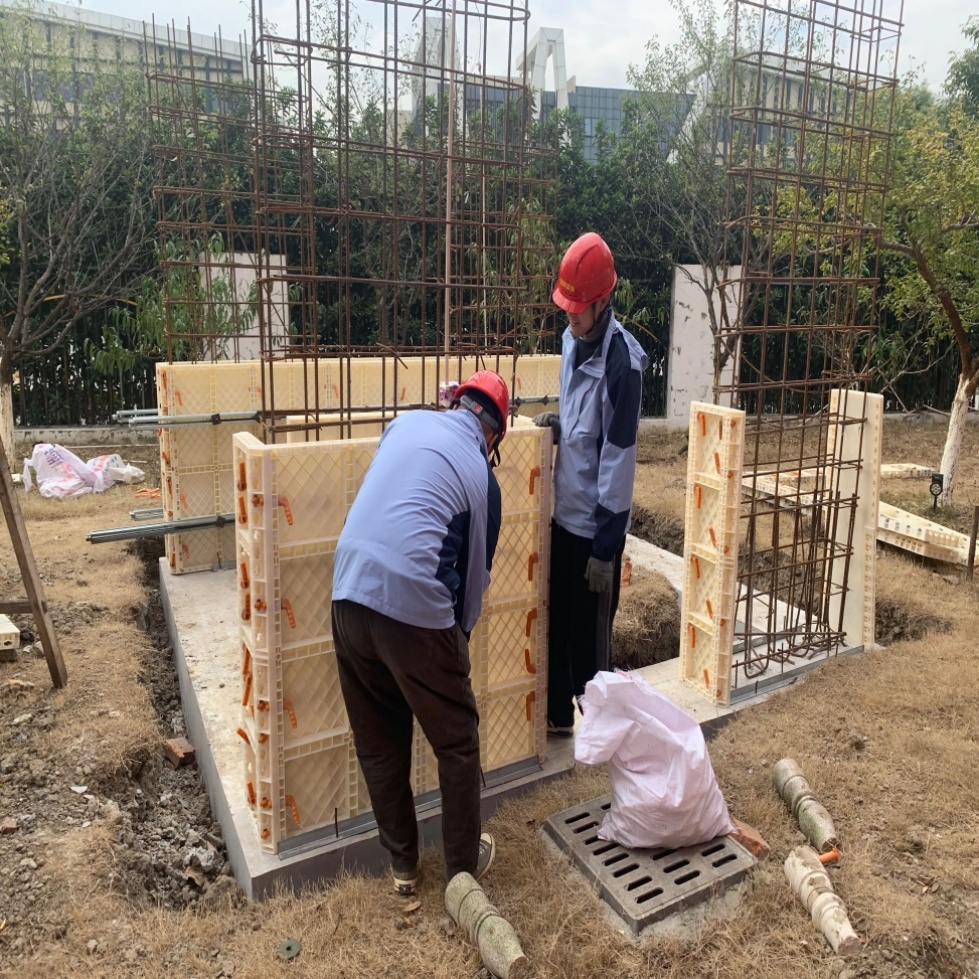
Wait at least 7 days before you take off formwork from slabs. This helps the concrete get strong and stops cracks from forming.
For columns and walls, you can take off formwork after 12 to 24 hours. The time depends on the concrete mix and the weather.
Beams need more time to cure. Take off the side forms after 1 to 2 days. Keep the bottom forms on for 14 to 21 days.
You can use rapid-hardening cement to make the process faster. But always check the concrete strength before you remove anything.
Follow safety rules when you take off formwork. This keeps you safe and stops damage to the structure.
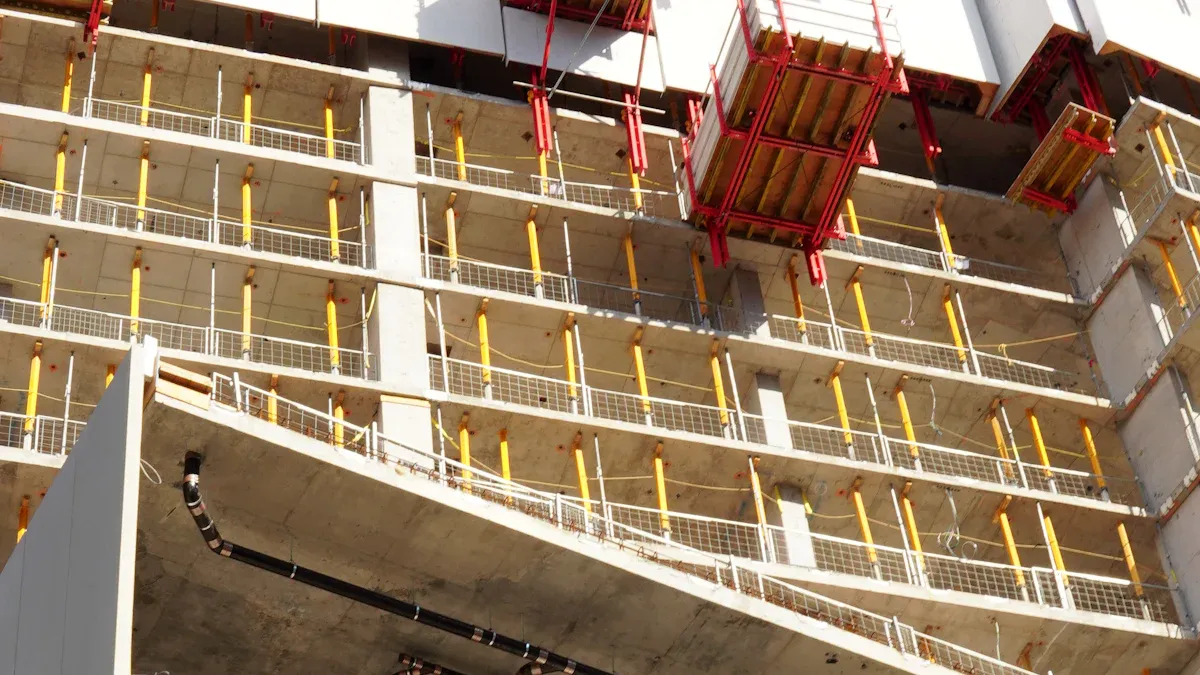
You need to know the right time to remove concrete formwork. If you remove it too soon, you risk cracks, weakness, or even collapse. If you wait too long, you slow down your project. The timing depends on the type of structure, the mix, and the weather. You should always check the guidelines for each part of your project.
Below is a table that shows the standard removal times for different types of concrete formwork. This table helps you compare the times for slabs, columns, walls, and beams.
Concrete Element | Recommended Removal Time |
|---|---|
Walls | 12 – 24 hours |
Columns | 12 – 24 hours |
Slab Soffit | 7 – 14 days |
Beam Sides | 1 – 2 days |
Beam Soffit | 14 – 21 days |
Cantilever | 21 – 28 days |
You should keep concrete formwork under slabs for at least 7 days. For larger spans or heavy loads, you may need to wait up to 14 days. The slab soffit, which is the bottom part, needs extra support because it holds the weight of the concrete above. If you use engineered formwork, you can sometimes remove it sooner, but only if the concrete reaches the right strength.
Tip: Never rush to remove formwork from slabs. Early removal can cause cracks, weakness, or even collapse. Always check the strength before you start.
Here are the main risks if you remove slab formwork too early:
The slab may not support its own weight.
Cracks can form and spread.
The whole structure can become unsafe.
You can usually remove concrete formwork from columns and walls after 12 to 24 hours. Some modern mixes allow you to remove it even sooner, especially with engineered formwork. In warm weather, concrete gains strength faster, so you may reach the minimum time quickly. Always make sure the concrete feels hard and looks solid before you take off the formwork.
Structural Element | Typical Removal Time |
|---|---|
Columns | 16–24 hours |
Walls | 12–24 hours |
Recent studies show that, with good curing, columns can reach enough strength in just 24 hours. This means you can speed up your project without losing safety. Engineered formwork helps you remove supports quickly and safely.
Beams need more time before you remove the concrete formwork. The sides of beams can come off after 1 to 2 days, but the bottom (soffit) must stay for 14 to 21 days. Cantilever beams need even longer, up to 28 days. Beams hold up a lot of weight, so you must wait until the concrete is strong enough.
If you remove formwork from beams too soon, you risk:
Cracking and bending of the beam.
Collapse under its own weight or when loaded.
Expensive repairs and project delays.
Note: Always use engineered formwork for beams. This gives you better support and lets you check the strength before removal.
You should always follow the removal times for each type of concrete formwork. Use the table above as a quick guide. If you use engineered formwork, you may save time, but you must check the concrete strength first. Safety comes first in every step.
When you choose when to take off formwork, you need to think about a few key things. These things help keep your project safe and strong. The table below shows the main things that matter.
Factor | Description |
|---|---|
Concrete Strength Development | Concrete must be strong enough before you remove formwork. |
Type of Concrete and Curing Conditions | Different concrete types and curing ways change how fast concrete gets strong. |
Structural Design and Load-Bearing Requirements | Some structures need more support because they hold more weight. |
Type of Formwork System | New formwork systems let you take off supports sooner than old ones. |
Cement type affects how fast concrete gets strong. Rapid hardening cement lets you remove formwork sooner. Ordinary Portland cement takes more time to get strong. The table below shows how cement types change curing time.
Cement Type | Effect on Curing Time and Formwork Removal |
|---|---|
Rapid Hardening Cement | Gets strong quickly, so you remove formwork earlier. |
OPC 43 | Needs more time before you remove formwork. |
OPC 53 | Gets strong faster, so you can remove formwork sooner. |
If you use higher cement grades, you wait less time. Always check the strength before you take off formwork on concrete.
Weather and temperature are very important for curing. Warm weather helps concrete get strong faster. Cold weather slows down the process. You need to plan for more time in cold weather. If it gets cold, concrete takes longer to set. Contractors use temperature records to guess when concrete is ready. This helps you avoid delays and keeps your project safe.
Tip: In cold weather, wait longer before removing formwork. Concrete cures slowly when it is cold.
The size and shape of your structure change removal timing. Big beams and slabs need more support. Small columns and walls get strong faster. Heavy structures carry more weight, so you must wait longer before taking off formwork. Always check the design and follow the rules for each part.
You need to know how long to keep formwork on concrete for each structure and cement type. The table below shows the standard removal times. These times help you plan your work and keep your project safe.
Structure Type | Ordinary Portland Cement | Rapid Hardening Cement | Pozzolana/Low Heat Cement |
|---|---|---|---|
Sides of Walls, Columns, Vertical Faces | 24–48 hours | 24 hours | 34–48 hours |
Slabs (props left under) | 3 days | 1–2 days | 4 days |
Beam Soffits (props left under) | 7 days | 3 days | 10 days |
Slabs (up to 4.5m span) | 14 days | 6 days | 20 days |
Slabs (over 4.5m span) | 14 days | 6 days | 20 days |
Beams (up to 6m span) | 14 days | 6 days | 20 days |
Beams (over 6m span) | 21 days | 9 days | 30 days |
Tip: If you use rapid hardening cement, you can remove formwork much sooner. For Pozzolana or low heat cement, you need to wait longer than with ordinary cement.
You can see the differences in removal times in the chart below. This chart helps you compare how long each type of formwork should stay in place for different structures.

Always check the type of cement before you remove formwork. If you use the wrong timing, you risk damaging the concrete. You keep your project safe when you follow the right removal times.
You must follow safe steps when you take off concrete forms. This keeps you and your team safe. It also protects the building. Always wear the right safety gear. Wear hard hats, gloves, steel-toe boots, and fall arrest systems. These items help stop injuries. Before you start, check the formwork for damage or weak spots. Make sure the concrete is strong enough. If you take off the forms too early, you can hurt the structure.
Here are the steps for safe removal:
Look at the formwork and see if there is any damage.
Make sure the concrete is strong enough to hold itself.
Take off the forms slowly and gently. Do not use force.
Keep the work area clean so no one trips.
Do not put too much weight on platforms or scaffolding.
Follow the instructions from the maker for putting together and taking apart the forms.
The American Concrete Institute says you should wait the right number of days for your cement type. For example, Type I cement needs seven days. Type III cement needs only three days. This helps stop problems from taking off forms too soon.
Safety meetings help everyone remember the rules. When you keep the site neat, you lower the chance of accidents during removal.
Many mistakes can happen when you take off concrete forms. Some mistakes can cause big problems for the building. You should know what not to do:
Using the wrong form system for the job.
Putting the formwork together too fast or not evenly.
Not giving enough bracing or support.
Putting supports on ground that is not stable.
Taking off forms from slabs, columns, or beams in the wrong order.
Not checking everything before you start taking off forms.
Shaking the concrete too much when you pour it.
Panels that are not lined up right or missing parts.
Error Type | What Can Happen To The Structure |
|---|---|
Improper Design | Can make bulges, cracks, or collapse when pouring concrete. |
Early Removal of Forms | Makes it more likely the concrete will fail. |
Inadequate Inspection | Can hide weak spots that cause problems later. |
Overloading or Misaligning | Makes pressure uneven and can break the formwork. |
Skimping on Supports | Makes the formwork weak and can cause collapse. |
Uneven Fills | Puts stress on weak spots and can cause leaks or falls. |
Formwork is not permanent, but if it fails, it can damage the building, hurt people, and slow down the project.
You can stop most mistakes by planning and following the right steps. Always take time to set up the forms right and use enough bracing. When you pay attention to details, you keep your team and the building safe. Remember, taking off formwork safely and carefully is always best.

You need to check if your concrete is ready before you remove formwork. Simple tests help you decide if the concrete has cured enough. Try these methods:
Press your thumb against the surface. If you do not leave an indentation, the concrete is hard enough.
Use a nail to press into the surface. If the nail leaves only a slight mark, the concrete has cured well.
Look at the color of the concrete. Uniform color and no surface moisture mean the concrete is ready.
Test the strength with a cylinder or Schmidt hammer. The concrete should reach at least 70% of its design strength.
Use professional tools like maturity meters. These tools measure temperature history and estimate strength.
You can perform these tests 24 to 48 hours after pouring and finishing the slab. Early checks help you avoid mistakes and keep your project safe.
Sometimes, you may feel unsure about removing formwork. You should ask an expert if:
The weather is cold or rainy, which slows curing.
The concrete mix is special or has additives.
The structure is large or must carry heavy loads.
You see cracks, uneven color, or surface moisture.
The strength tests do not show clear results.
An expert can use advanced tools and methods to check the concrete. You get advice that fits your project and keeps your building safe. Experts help you follow codes and avoid costly errors.
If you have doubts, always consult a structural engineer or experienced contractor. Safety comes first.
You keep your project strong and safe when you check concrete readiness before removing formwork. Simple tests and expert advice help you make the right decision.
You should remember some key things about taking off formwork on concrete.
The kind of concrete, the quality of what you use, and the weather all change how long you must wait.
Good curing and using the right steps help you take off formwork safely.
Slabs and beams need more time than other parts.
Guideline | Description |
|---|---|
Local Building Codes | Always follow the rules and listen to engineers for safe removal. |
Be careful when you take off formwork. Use safe tools, look for cracks, and keep new surfaces safe.
You can check the concrete strength with a simple test. Press your thumb or use a nail. If you see little to no mark, the concrete is ready. For best results, use a strength test tool.
Yes, you can use rapid hardening cement or keep the area warm. These steps help concrete gain strength faster. Always check the strength before you remove any formwork.
Removing formwork too soon can cause cracks, sagging, or even collapse. You risk damaging the structure and may need costly repairs. Always wait for the right strength.
You do not need to keep the formwork wet. You should keep the concrete surface moist for proper curing. This helps the concrete gain strength and prevents cracks.

